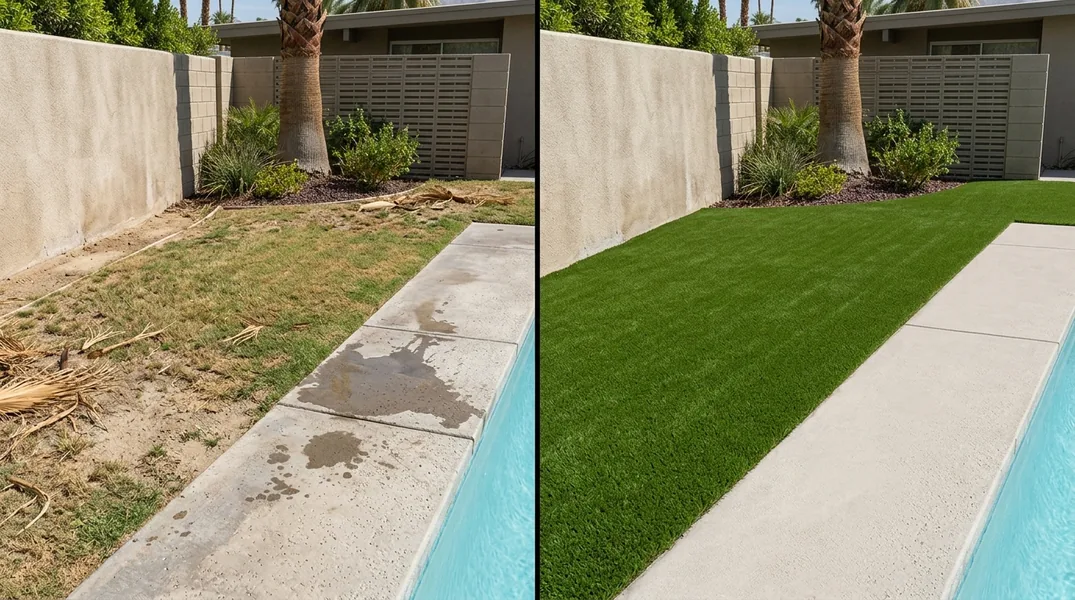
Understanding HOA Artificial Grass Policies in Palm Springs
Living in a condo or homeowners association community in Palm Springs comes with certain responsibilities and restrictions. One of the most common questions homeowners ask is whether they can install artificial turf in their front yards. The answer largely depends on your specific HOA's governing documents and architectural guidelines. Many HOAs in the desert communities have embraced artificial grass as a practical solution for water conservation and low-maintenance landscaping, but policies vary significantly from one association to another.
Before you invest in Residential Artificial Grass Installation, it's essential to understand your HOA's stance on synthetic turf. Some associations enthusiastically support artificial grass installations because they reduce water consumption, which is particularly important in the arid Palm Springs climate. Others may have restrictions that limit the use of artificial materials in visible areas. Your HOA's CC&Rs (Covenants, Conditions, and Restrictions) and architectural guidelines are the authoritative documents that outline what is and isn't permitted on your property.
Front Yard Artificial Grass: What HOAs Typically Allow
Front yard landscaping is often the most regulated area of residential properties within HOA communities. This is because the front yard contributes significantly to the overall aesthetic and property values of the entire neighborhood. When it comes to artificial grass in front yards, HOAs take varying approaches. Some associations have explicit provisions allowing synthetic turf as long as it meets specific quality standards and appearance requirements. Others may require that front yards maintain a certain percentage of living plants or natural landscaping elements alongside artificial turf.
The key distinction many HOAs make is between artificial grass that looks obviously fake and high-quality synthetic turf that closely mimics natural grass. Modern artificial grass products have come a long way in terms of appearance and feel. Premium options feature realistic blade textures, multiple color variations, and proper drainage systems that make them virtually indistinguishable from natural grass. When reviewing your HOA's front yard rules, look for language about material quality, color specifications, and maintenance standards. Some associations may specify that artificial grass must be a certain shade of green or must include realistic thatch or brown coloration to appear natural.
The HOA Submittal and Approval Process for Artificial Turf
Most HOAs in California, including those in Cathedral City and surrounding areas, require homeowners to submit an architectural review request before installing artificial grass. This formal submittal process exists to ensure that proposed changes comply with community standards and maintain property values. The submittal typically includes detailed information about the project, including materials, installation plans, and photographs of the proposed artificial grass product. You'll need to provide specifications such as the turf's pile height, color, drainage system, and backing material.
The approval process generally involves submitting your request to the HOA's architectural committee or design review board. This committee reviews your submittal against the association's guidelines and may request additional information or modifications. Some HOAs respond within two to four weeks, while others may take longer. It's crucial to follow your HOA's specific submittal procedures exactly as outlined in their guidelines. Missing information or improper formatting can delay approval. Many HOAs now offer online portals for submitting requests, making the process more streamlined. Be prepared to provide detailed product specifications, installation photos from similar projects, and a timeline for completion. If your initial submittal is denied, you'll typically have the opportunity to revise and resubmit with modifications that address the committee's concerns.
California HOA Turf Rules: What You Need to Know
California has specific regulations governing HOA operations and homeowner rights, which can impact artificial grass approvals. While HOAs have broad authority to enforce aesthetic standards through their CC&Rs, California law requires that these restrictions be reasonable and consistently applied. This means an HOA cannot arbitrarily deny artificial grass installation if similar installations have been approved for other residents. California's drought-conscious policies have also influenced many HOA boards to become more favorable toward water-saving landscaping solutions like artificial turf, particularly in water-stressed regions like the Desert Hot Springs area.
It's worth noting that California law protects homeowners' rights to make certain landscape changes for water conservation purposes. If your HOA rules are overly restrictive regarding drought-resistant landscaping, you may have grounds to challenge the restriction. However, most modern HOAs have updated their policies to accommodate artificial grass installations, recognizing the environmental and financial benefits. When you're navigating your HOA's approval process, referencing California's water conservation priorities can be a persuasive argument if your association seems hesitant about artificial turf. Document your reasons for wanting artificial grass, including water savings and maintenance reduction, as these factors often resonate with HOA boards that are mindful of sustainability.
Working with Professional Installers: Navigating HOA Requirements
One of the smartest decisions you can make when planning an artificial grass project is to work with an experienced local installer who understands HOA requirements. Professional installers like Palm Springs Artificial Grass Installation have extensive experience navigating the approval processes and specifications required by local HOAs. When you contact us at (760) 548-3550 for a free estimate, we can discuss your HOA's specific requirements and help ensure your project meets all guidelines before installation begins. We can provide detailed specifications, product samples, and professional documentation that HOAs typically require for approval.
Professional installers can also recommend artificial grass products that align with your HOA's aesthetic standards while meeting your functional needs. We understand the quality standards that HOA committees expect and can source premium materials that will pass inspection. Additionally, professional installation ensures proper drainage, grading, and edge finishing, all of which are often specified in HOA guidelines. Having a fully insured installer handle your project also provides documentation and warranties that satisfy HOA requirements and protect your investment. Before any work begins, we coordinate with your HOA to confirm all specifications and ensure the project will meet approval requirements.
Common HOA Objections and How to Address Them
Even when artificial grass is permitted in your HOA community, you may encounter specific objections or concerns from the architectural committee. Common concerns include the appearance of the artificial turf, potential drainage issues affecting neighboring properties, and the longevity of the installation. The best way to address these concerns is with detailed information and professional documentation. Provide high-quality photographs of the specific artificial grass product you plan to install, showing how it looks in various lighting conditions. Include drainage system specifications that demonstrate water will be properly managed. If you're working with a professional installer, their credentials and portfolio of completed projects in similar HOA communities can be powerful reassurance for the review committee.
Another common objection relates to the perception that artificial grass looks fake or reduces neighborhood curb appeal. Modern premium artificial turf products have largely overcome this concern, but you may need to educate your HOA committee about advances in synthetic grass technology. Offering to have committee members visit nearby installations or providing samples they can examine in person can help overcome skepticism. Some HOAs also worry about long-term maintenance and whether the artificial grass will be properly maintained. Addressing this concern by outlining your maintenance plan, including regular brushing and occasional professional cleaning, demonstrates your commitment to keeping the installation in excellent condition.
Looking for a professional artificial grass installation company in Palm Springs? Palm Springs Artificial Grass Installation responds fast for all your artificial grass installation needs.
Get a Free Quote